

Introduction
To step into an Emirati home is to be enveloped by an invisible yet unmistakable welcome: the rich, complex, and warming scent of Bakhoor. More than just an air freshener, Bakhoor—the fragrant wood chips soaked in essential oils and perfumes—is an integral part of daily life and a profound expression of cultural identity. Its smoke perfumes homes, clothes, and gatherings, transforming ordinary spaces into sanctuaries of scent and symbolizing purity, hospitality, and grace. This article explores the deep cultural significance, the intricate preparation, and the cherished rituals surrounding Bakhoor, revealing why this aromatic tradition remains an enduring sensory signature of the UAE.
The Ingredients and Creation of a Scent
At its core, Bakhoor is a blend of natural ingredients, with Oud (Agarwood) being the most prized component. Oud is a dark, resinous heartwood that forms in Aquilaria trees when they become infected with a specific type of mold. This process, which can take years, creates one of the most expensive raw materials in the world, valued for its deep, woody, and long-lasting fragrance. To create Bakhoor, chips of Oud or other woods like sandalwood are soaked in a mixture of natural perfumes, such as rose, saffron, amber, and musk, along with essential oils and sometimes a touch of honey or other sweeteners. This mixture is then aged, sometimes for months or even years, to allow the scents to meld and mature into a harmonious and potent blend.
The Ritual of Burning and Perfuming
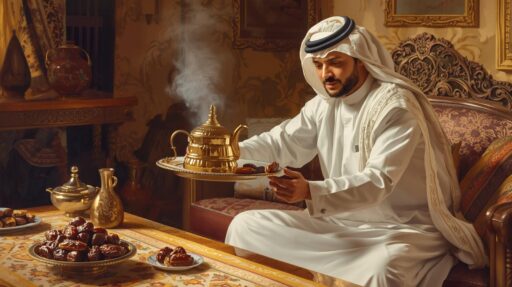
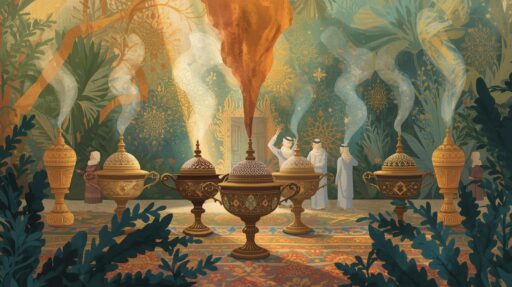
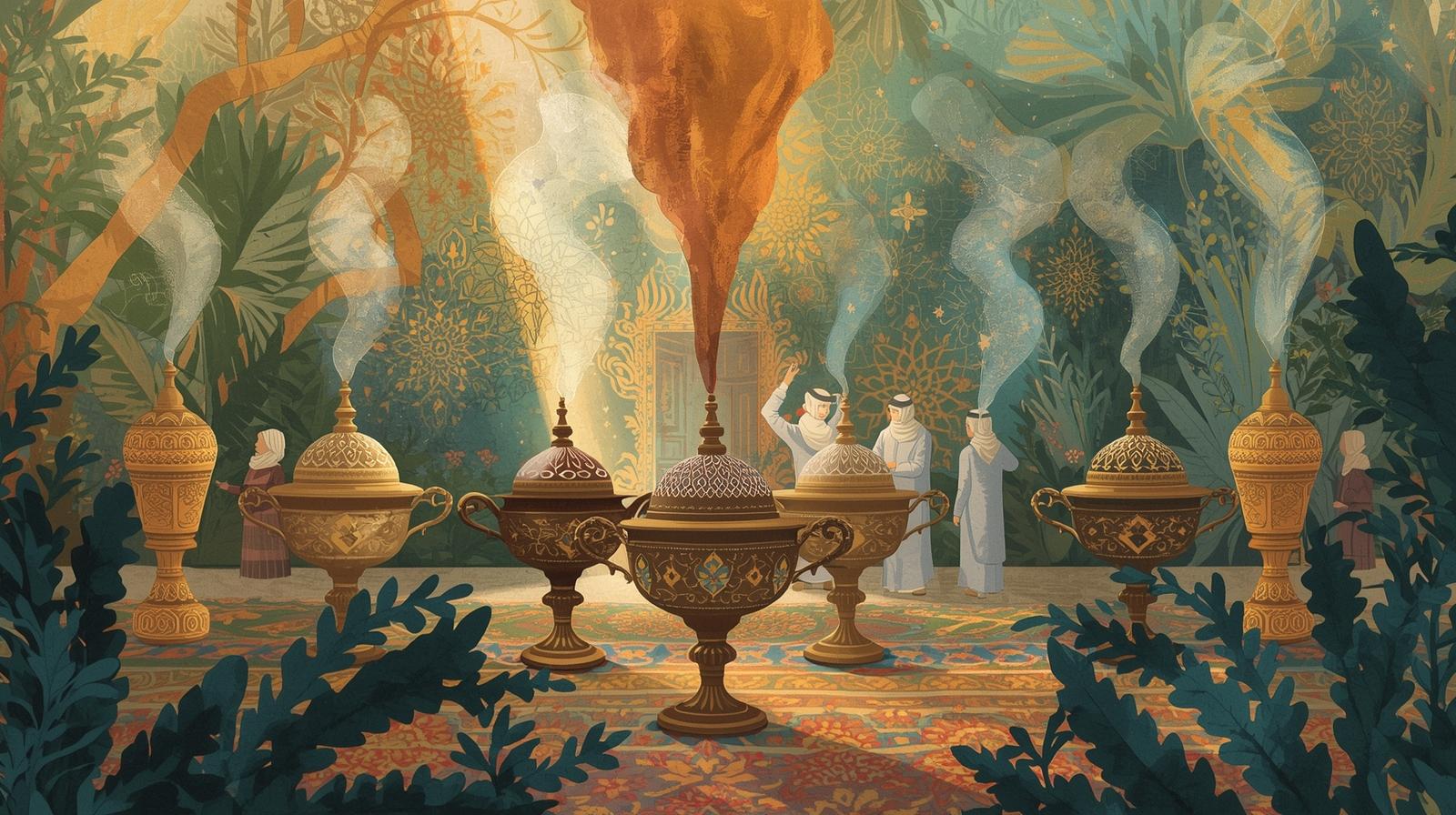
The use of Bakhoor is a deliberate and graceful ritual. Small pieces of the fragrant wood are placed on a burning piece of charcoal inside a traditional incense burner called a “Mabkhara.” The Mabkhara, often made of beautifully carved wood or decorative ceramic, is then carried around the home. The smoke is wafted onto curtains, cushions, and in the corners of rooms to infuse the entire space with its fragrance. The most personal application is the perfuming of guests and clothing. It is a supreme act of hospitality for a hostess to pass the Mabkhara to her guests, who will then gather the smoke in the folds of their garments—their Kanduras and Abayas—and wave it through their hair. This gesture not only makes the guest smell beautiful but is a way of honoring them and wishing them well.
A Symbol of Purity, Status, and Celebration
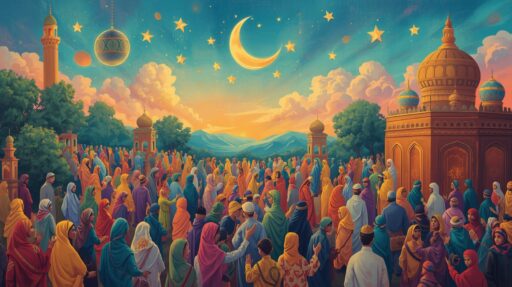
The use of Bakhoor is deeply symbolic. Its origins are linked to ancient purification practices; the smoke was believed to cleanse a space of negative energy and invite blessings. This association with purity makes it especially important for special occasions. A house is perfumed with Bakhoor before and after guests arrive, for weddings, religious holidays like Eid, and to celebrate the birth of a child. The type of Bakhoor used can also be a marker of status and personal taste. The quality of the Oud, the complexity of the blend, and the age of the Bakhoor are all noted by connoisseurs. A host offering a rare, high-quality Bakhoor is extending a gesture of great respect and generosity to their guests.
The Enduring Legacy in a Modern World
In a nation hurtling towards the future, the tradition of Bakhoor has not been left behind. While the Mabkhara remains a centerpiece in traditional homes, modern electric incense burners now offer a flameless, convenient alternative. The global perfume industry has embraced Oud, making it a coveted note in luxury fragrances worldwide. Yet, for Emiratis, the experience of the raw, smoky Bakhoor remains irreplaceable. It is a tradition fiercely guarded by women, who are often the custodians of family recipes and blending techniques passed down through generations. The scent of Bakhoor is a powerful trigger of memory and identity, a sensory thread that connects the modern Emirati to their heritage, their home, and their deepest cultural values of welcome and refinement.
Conclusion
Bakhoor is the invisible jewelry of Emirati culture—an adornment not for the body, but for the air and soul. It is a multi-sensory tradition that defines spaces, marks milestones, and expresses a deep, non-verbal language of care and respect. The careful preparation, the graceful ritual of burning, and the shared experience of its fragrance all speak to a culture that values beauty, hospitality, and spiritual well-being. As long as the fragrant smoke of Bakhoor continues to curl from the Mabkhara in Emirati homes, it will carry with it the enduring essence of welcome, a scent that truly defines the soul of the UAE.