

Introduction
In the United Arab Emirates, the rhythm of life transforms during the holy month of Ramadan. As the ninth month of the Islamic lunar calendar, Ramadan is a time of profound spiritual reflection, self-discipline, and community bonding. The sight of the crescent moon heralds a period where fasting from dawn to dusk becomes the central practice for Muslims, culminating in the joyous, multi-day celebration of Eid al-Fitr. For Emiratis, these are not merely religious obligations; they are the cornerstone of the annual calendar, deeply woven into the nation’s social and cultural fabric. They reinforce the core Islamic and Emirati values of faith, empathy, generosity, and family, creating a unique and powerful atmosphere felt across the entire country.
The Spiritual Practice of Sawm (Fasting)
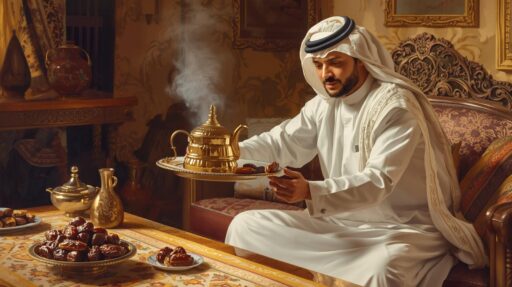
The primary observance of Ramadan is “Sawm,” or fasting. From the first light of dawn (Fajr prayer) until sunset (Maghrib prayer), adult Muslims abstain from all food, drink, smoking, and marital relations. This physical discipline is intended to cultivate “taqwa,” or God-consciousness. By feeling hunger and thirst, the faithful are reminded of the plight of the less fortunate, fostering empathy and gratitude. The fast is broken each evening with a meal called “Iftar,” which begins traditionally by eating a few dates and drinking water, following the practice of the Prophet Muhammad. Iftar is a deeply social event, often starting with family and extending to large communal gatherings in mosques or public tents, where people from all walks of life, including non-Muslims, are welcomed to break bread together.
The Social Fabric: Iftar, Suhoor, and Community
The daily cycle of Ramadan creates a unique social rhythm. The pre-dawn meal, “Suhoor,” is a quieter, more intimate affair where families gather to eat a sustaining meal before the day’s fast begins. As night falls, the Iftar gunshot or siren signals the end of the fast, and cities come alive. Beyond the family home, it is a common and cherished tradition for Emiratis to host lavish Iftar feasts, showcasing traditional dishes like Harees, Thareed, and a vast array of sweets. Charitable giving, or “Zakat,” is also a key pillar of Islam and is emphasized during Ramadan. Many Emiratis fulfill their annual Zakat during this month, and organizations run massive campaigns to distribute food to those in need, both locally and internationally, embodying the spirit of giving.
The Night of Power and intensified Worship
The last ten nights of Ramadan are considered the most sacred, with one night in particular, “Laylat al-Qadr” (the Night of Power), being holier than a thousand months. Muslims believe this is the night the first verses of the Quran were revealed to the Prophet Muhammad. It is a time of intensified prayer, Quranic recitation, and seeking forgiveness. Many observe “I’tikaf,” spending these final nights in seclusion at the mosque, dedicating themselves entirely to worship. This spiritual climax adds a layer of profound solemnity and anticipation to the closing days of the month.
Eid al-Fitr: The Festival of Breaking the Fast
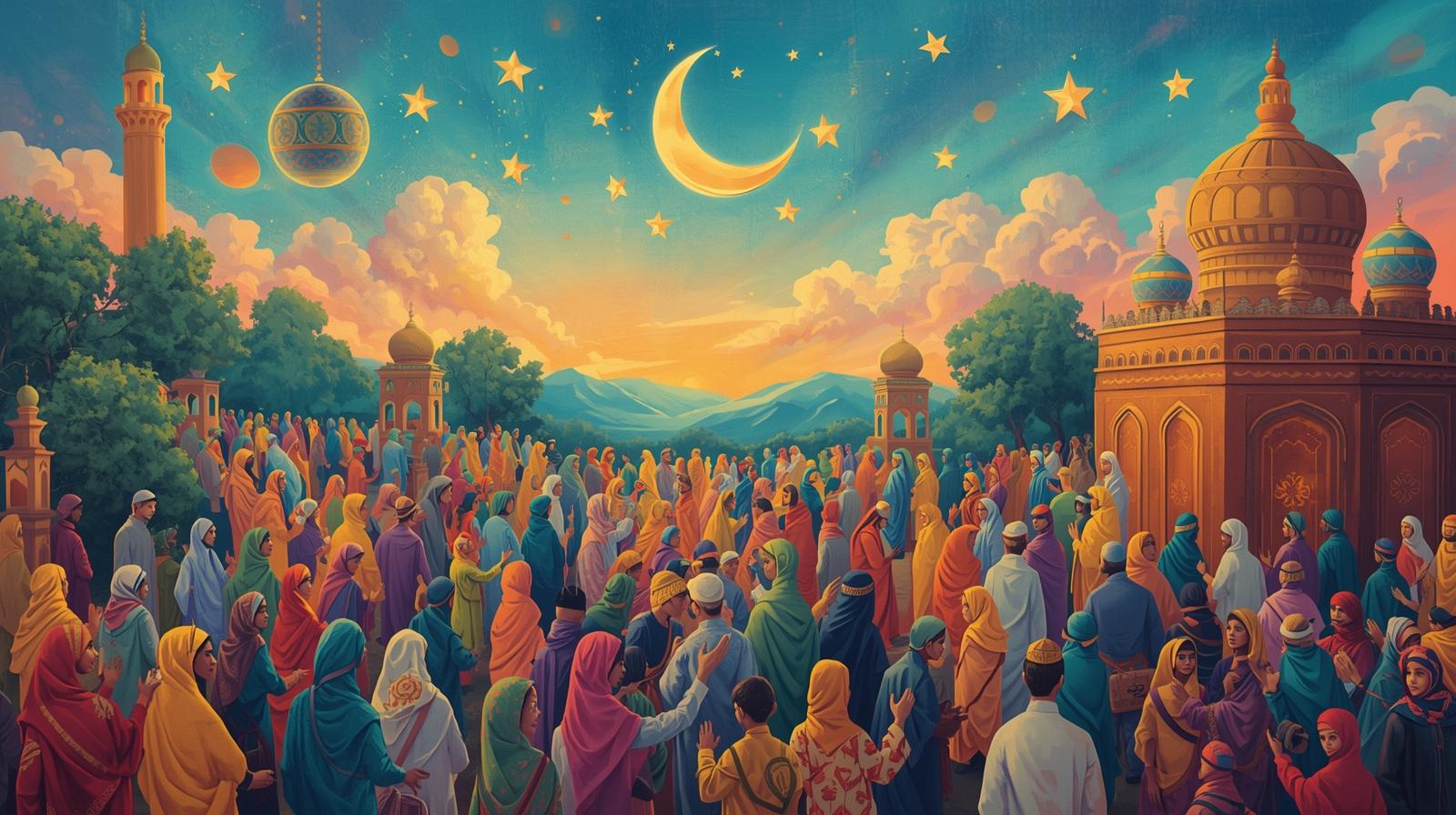
The end of Ramadan is marked by the sighting of the new moon, which announces the arrival of Eid al-Fitr, a celebration that can last for up to three days. The festivities begin with a special communal prayer at dawn, held in large open areas or mosques. Before the prayer, every Muslim who is able must pay “Zakat al-Fitr,” a small amount of charity to ensure even the poor can celebrate. After prayers, the social celebrations begin. People dress in their finest new clothes, often traditional Kanduras and Abayas. Children receive “Eidiya,” gifts of money from their elders. The days are filled with visiting the homes of family and friends, where each household offers sweets, Gahwa, and dates. The air is filled with greetings of “Eid Mubarak” (Blessed Eid) as communities reconnect and share in the joy of their spiritual accomplishment.
Conclusion
Ramadan and Eid al-Fitr are far more than religious festivals in the UAE; they are a national experience that encapsulates the soul of the nation. The month of fasting strengthens individual character and collective empathy, while Eid al-Fitr channels that spiritual energy into an explosion of joy, generosity, and social cohesion. These traditions bind the community together, bridge generations, and offer a powerful annual reminder of the values that underpin Emirati society. In a world of constant change, the cyclical return of Ramadan and Eid provides a stable anchor of faith, family, and cultural identity, ensuring that these cherished traditions continue to guide and enrich the lives of Emiratis for generations to come.