


Introduction
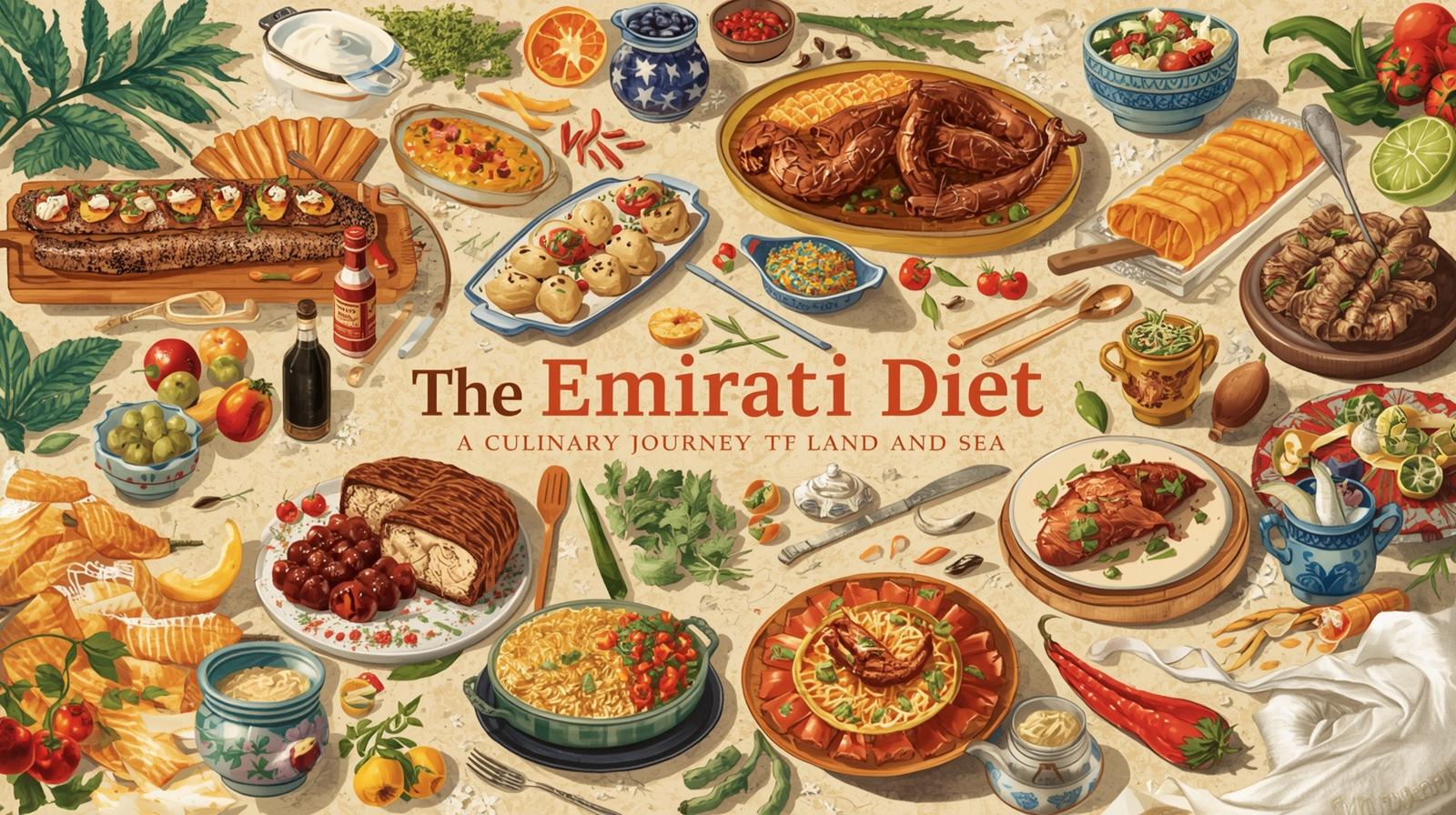
The story of Emirati cuisine is a tale of survival, ingenuity, and deep respect for a harsh yet generous environment. Long before global trade made international ingredients readily available, the people of the UAE crafted a diet rooted in the sparse offerings of the desert and the bounty of the sea. This culinary heritage, born from the Bedouin of the interior and the seafarers of the coast, is a testament to a resourceful culture that wasted nothing and celebrated simple, wholesome flavors. While modern dining in the UAE is a global affair, the traditional Emirati diet remains a cherished cornerstone of national identity, with dishes that continue to tell the story of the land and its people.
The Bedouin Foundation: Dates, Camel, and Grains
For the Bedouin nomads of the interior, the diet was built around three pillars: dates, camel products, and whatever grains could be cultivated or traded. The date palm was the “tree of life,” providing a primary source of sugar, vitamins, and energy. Dates were consumed fresh, dried, or pressed into a syrup (dibs). Camel milk was a staple drink, valued for its nutritional richness, and was also made into yogurt (laban) and a fermented, salty cheese (yogurt). On special occasions, camel meat was prepared, often slow-cooked in underground pits for celebrations. Grains, primarily rice and wheat, were obtained through trade and used to make simple, filling breads like “Rgag” (a thin, crisp flatbread) and “Khameer” (a leavened bread), which were essential for soaking up stews and dips.
The Coastal Bounty: Fish, Rice, and Spices
Along the coast, the diet was dominated by the sea’s offerings. Fish like hamour (grouper), sheri (emperor fish), and qabit (kingfish) were central to daily meals. The most iconic coastal dish is “Machboos,” a fragrant rice dish similar to biryani or kabsa, where spiced rice is cooked with fish or meat and garnished with fried onions and dried lime (loomi). The maritime trade routes brought a wealth of spices from India and beyond, which became integral to Emirati cooking. Saffron, cardamom, turmeric, and cinnamon were used to create complex, aromatic layers in rice and meat dishes. Seafood was also grilled simply over coals or dried for preservation, ensuring a protein source even when the pearling dhows were at sea.
Signature Dishes: A Taste of Heritage
Several dishes stand out as quintessential Emirati cuisine, each with its own history and regional variations. Harees: A simple yet profound dish of boiled, cracked wheat and meat (usually chicken or lamb) beaten for hours into a smooth, porridge-like consistency. It is a staple during Ramadan and Eid, valued for its digestibility and nourishment. Thareed: Often described as the Prophet’s favorite dish, Thareed is a savory stew of meat and vegetables poured over a layer of Rgag bread, which soaks up the flavors and becomes wonderfully soft. Balaleet: A unique and beloved dish that exemplifies the sweet-and-savory palate, consisting of vermicelli noodles sweetened with sugar, cardamom, and rose water, topped with a savory omelet. Lugaimat: The quintessential Emirati dessert, these are deep-fried dough balls, crispy on the outside and soft within, drenched in date syrup—a perfect symbol of the desert’s two great gifts: wheat and dates.
Modern Interpretations and Preservation
In contemporary UAE, where expatriates outnumber locals, the preservation of traditional foodways has become a conscious effort. Emirati women, in particular, have been the guardians of these recipes, passing them down through generations. Recently, there has been a movement to bring Emirati cuisine to the forefront of the culinary scene. Home-based chefs and new restaurants specializing in “authentic Emirati cuisine” are gaining popularity. Furthermore, cultural institutions and food festivals now prominently feature traditional cooking, allowing a wider audience to experience this unique culinary heritage. Modern chefs are also beginning to reinterpret classic dishes, presenting them with contemporary plating techniques while respecting the original flavors, ensuring that the Emirati diet evolves without losing its soul.
Conclusion
The traditional Emirati diet is a direct reflection of the nation’s history and environment. It is a cuisine born of necessity, shaped by trade, and sustained by community. From the life-saving date and camel milk of the desert wanderer to the spiced fish feasts of the coastal sailor, these foods are embedded with memories and meanings that transcend mere sustenance. To share a traditional Emirati meal is to partake in a centuries-old narrative of resilience, hospitality, and a deep, abiding connection to a land that, against all odds, provided everything its people needed to not just survive, but to thrive and build a nation.