

Introduction
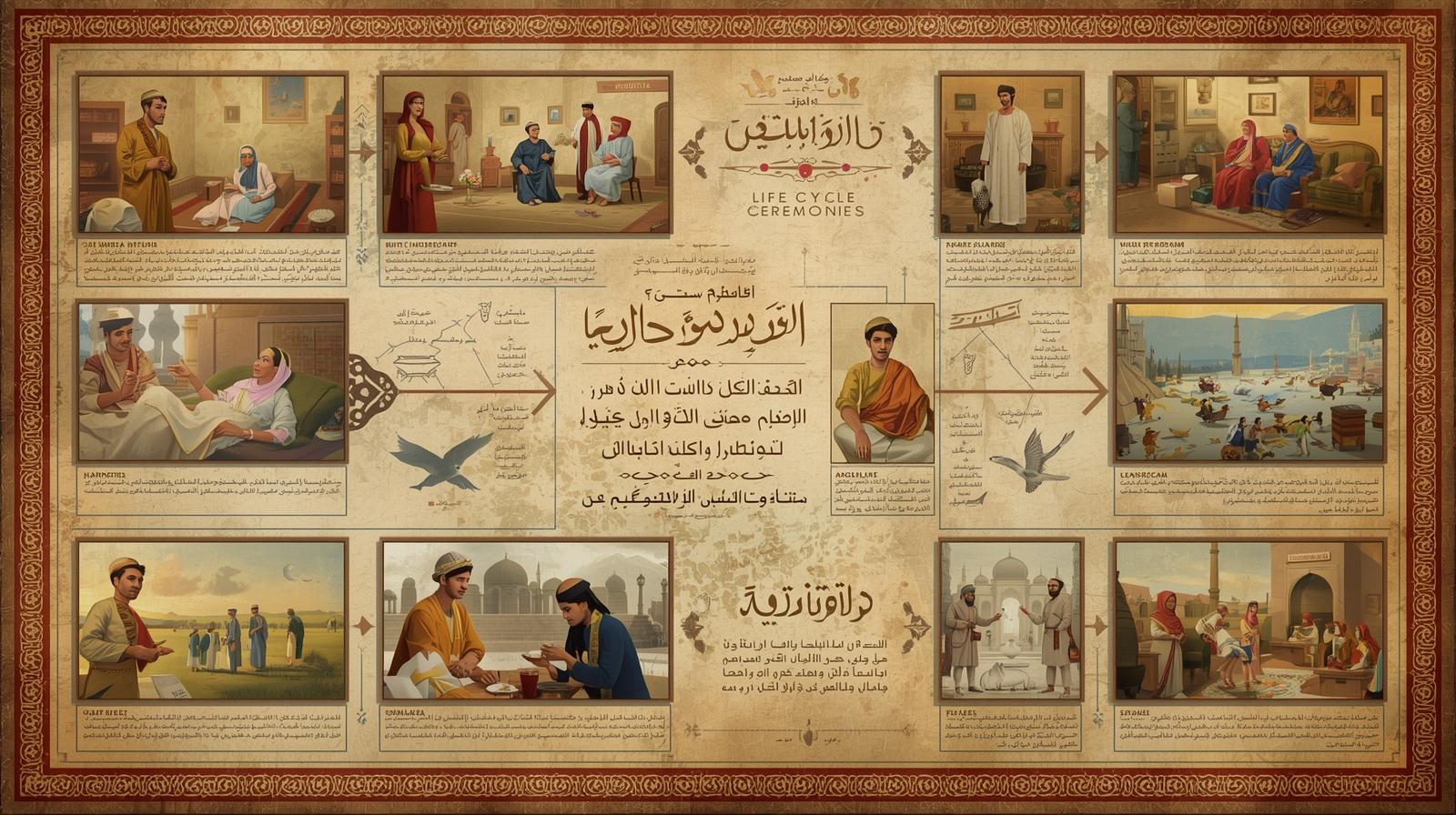
The journey of an individual’s life in the UAE is marked by a series of vibrant communal celebrations that weave personal milestones into the broader fabric of society. These life cycle traditions, from the joyous announcement of a birth to the elaborate festivities of a wedding, are more than just parties; they are sacred rituals that reinforce family bonds, cultural identity, and Islamic faith. They provide a structured and meaningful way for the community to collectively participate in the joys and responsibilities of its members. This article explores the key ceremonies that mark the path from birth to marriage, offering a window into the rich social and cultural norms that define Emirati life.
The “Aqeeqah”: Welcoming a New Soul
The arrival of a newborn is met with great celebration, beginning with the Islamic tradition of the “Aqeeqah.” This ceremony, typically held on the seventh day after birth, is a profound act of gratitude to God. Its central components include shaving the baby’s head, with the weight of the hair given in silver as charity, and the sacrifice of one or two sheep or goats. The meat is then cooked and distributed to family, friends, and the less fortunate, ensuring the community shares in the blessing. The baby is often given its name on this day, a significant decision that carries familial and cultural weight. The Aqeeqah is a powerful introduction of the child to the community, grounded in faith and shared responsibility, setting the stage for a life lived within a supportive network.
“Al Khitan”: The Tradition of Circumcision
For baby boys, the tradition of circumcision, known as “Khitan,” is another significant early-life event. While sometimes performed in the hospital shortly after birth, it is often celebrated as a separate ceremony when the boy is older, perhaps between the ages of three and seven. This practice is a fundamental rite of passage in Islam, symbolizing purity and a connection to the lineage of Prophet Ibrahim (Abraham). The event is typically a family gathering, where the boy, dressed in special traditional clothing, is celebrated with gifts, songs, and well-wishes. It marks his formal entry into the faith and the male community, surrounded by the love and support of his relatives.
“Al Khatm Al Quran”: Celebrating a Child’s First Complete Reading
A pivotal educational and spiritual milestone in a child’s life is the completion of their first full reading of the Holy Quran. Known as “Khatm Al Quran,” this achievement is a cause for immense family pride and is celebrated with a ceremony that can be as grand as a wedding. The child, dressed in fine attire, will recite selected verses from the Quran in front of a gathering of family, friends, and community members. The event is often held in a large venue and followed by a lavish feast. Gifts and money are traditionally given to the child to honor their dedication. This ceremony underscores the central role of Islamic education in Emirati culture and publicly acknowledges the child’s commitment to their faith.
The Grandeur of the Emirati Wedding
The most elaborate of all life cycle celebrations is undoubtedly the wedding. An Emirati wedding is not a single event but a series of lavish festivities that can last for days, showcasing the family’s social status and the community’s joy. It begins with separate pre-wedding parties: the “Laylat Al Henna” (Henna Night) for the bride, where intricate patterns are applied to her hands and feet, and the “Yalwa” ceremony, where the bride is adorned with gold and jewelry presented by the groom’s family. The main event is the “Melcha” or “Katb Al Kitab,” the official Islamic marriage contract signing, which is often a women-only affair. This is followed by a massive public reception for hundreds or even thousands of guests, where the couple, seated on a raised “kosha,” receive congratulations. The men and women celebrate in separate halls, each with their own music, dancing, and feast, reflecting the cultural norms of gender segregation in public celebrations.
Conclusion: The Thread of Continuity
From the charitable sacrifice of the Aqeeqah to the spiritual triumph of the Khatm Al Quran and the communal joy of the wedding, Emirati life cycle traditions form a continuous thread that connects the individual to their family, faith, and culture. In a rapidly modernizing society, these rituals have proven to be remarkably resilient. They have adapted in scale and presentation—weddings are now held in luxury hotels, and announcements are made on social media—but their core purpose remains unchanged. They are the foundational ceremonies that honor the sacred stages of life, ensuring that each new generation is embedded within a timeless cultural tapestry, celebrating the past while embracing the future.